
Welcome to the Budgerigar Council of South Australia’s guide to pet budgies sometimes referred to as budgerigars or parakeets. These chirpy, tiny birds are able to hold a large space in the heart of pet owners across the globe. The budgie is an adorable bird that has gained a reputation for being charming, smart and sociable. It ranks just behind the adored cat and dog.
Before you welcome this tiny creature into your home it’s vital to comprehend the needs and preferences of your pet. This guide gives you all the details you need to lead a healthy and healthy lifestyle for yourself and your feathered friend.
A Social Butterfly with tiny proportions
Budgies are social creatures who thrive in companionship. In nature, they are in large swarms, continuously engaging in conversation and chirping with one other. While a single bird can have a strong bond with its human owner, especially in the case of lots of love and affection, they should always have a feathered companion. If you can’t manage two birds, make sure you spend a lot of time in contact with your budgie on its own to avoid loneliness.
Chatterboxes which are the perfect way to get a Flair to Mimicry
The ability of pets to imitate sounds makes them extremely charming. Through training and perseverance Budgies will develop the ability to make sounds and even speak. They’ll bring a new level of enjoyment to their whistles and chirps. It is possible that their vocabulary could vary widely. Certain budgies could be able to become chatterboxes, while others will be content with simple whistles. Regardless of their talking prowess and their funky vocalizations, they are guaranteed to bring joy to your face.
A Rainbow on Wings
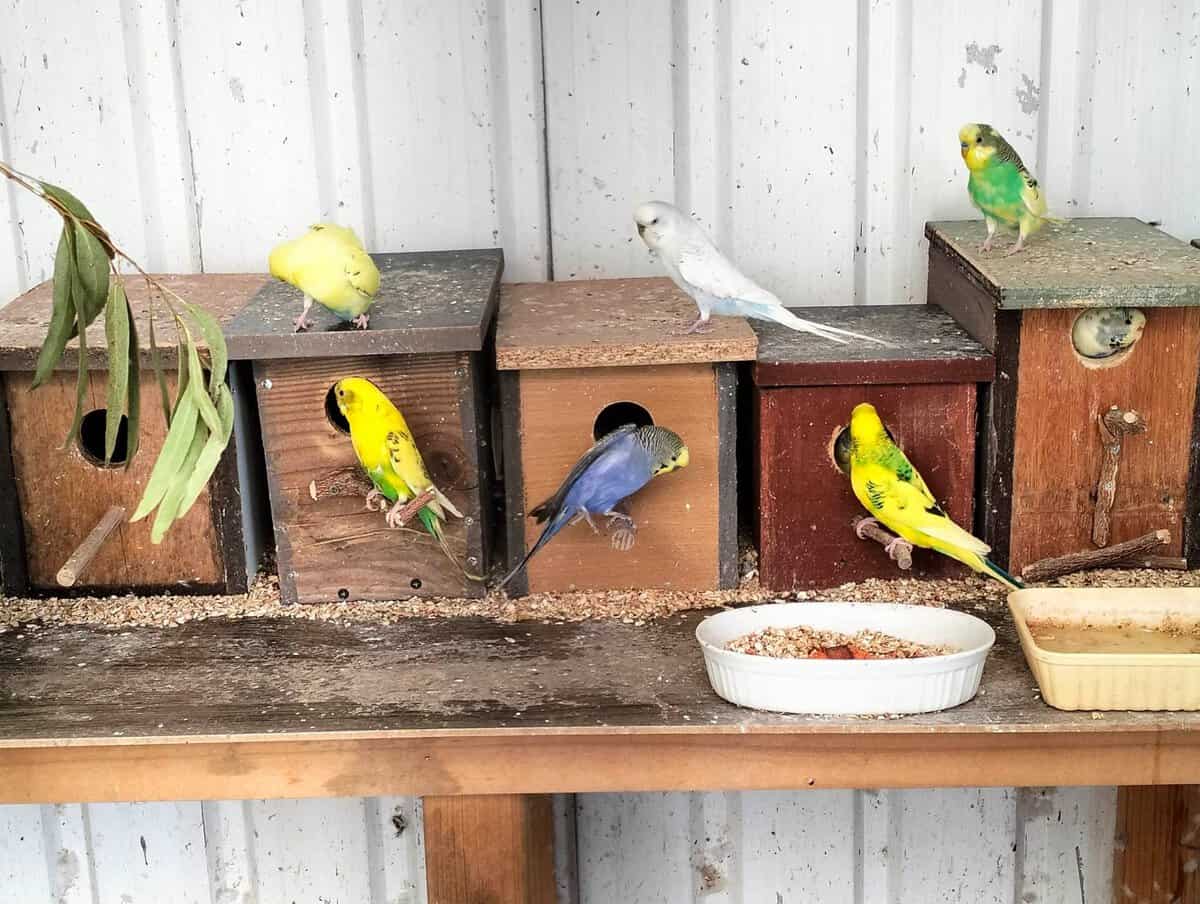
Budgie birds come in an array of stunning colors, ranging from the classic yellow and blue light to vivid shades of violet, green, and white. Breeders have created many variations that you are certain to discover one that is suited to your style. These variations in color aren’t solely for aesthetics. They can also signify the gender and age of a bird. This makes them a great conversation starter at pet stores.
How to live large within a limited space
Although budgies are small however, they require plenty of room to fly, climb, and explore. The ideal cage size is 20 inches in length by 12 inches in depth and 18 inches high. But, bigger is always better! To keep your budgie interested offer perches that are different levels or textures. Change their toys regularly to keep them entertained. Natural sunlight is good, but make sure that the cage is not placed in the sun for long periods.
A Budgie-Approved Diet
A healthy budgie bird diet consists primarily of a high-quality pelleted food formulated for small parrots. They’ll get the nutrients they need to grow. Fresh fruits and vegetables like chopped carrots (seeds removed) and leafy greens, or apples are a great addition to the diet of pellets. Cuttlebones are essential for keeping their beaks tidy and supplying essential minerals. Make sure that they are able to access clean, fresh water.
Making a Connection with your Feathered Friend
It takes a lot of patience and gentle touch. Begin slowly to approach the cage and talk softly to your bird. You can build trust by giving millet and other treats through the bars in the cage. Once your budgie feels comfortable in your presence, you may attempt to enter the cage and allow them to rest on your finger. The process may take days or even weeks, so do not be overly insistent.
A Lifelong commitment
If they are properly cared for, budgies can live for about 10-12 years. Before bringing one into your home, think about your lifestyle and long-term commitment. Do you have the capacity to maintain a daily routine as well as a stimulating space and an organized home? If so, a budgie could be a gratifying and enriching pet that will fill your days with laughter, chirps and, perhaps, some human words (or two).
The Budgerigar Council of South Australia is a proponent of the responsible ownership of pets. Don’t be afraid to consult an expert in avian medicine for advice on caring for your feathered companions if you are unsure.