
A municipality has an outdated wastewater lift station. The pumps are at the expiration date of their useful life span, the controls require modernization, as well as the access hatch is deteriorating. The concrete wet well is structurally sound.
Should the entire station be destroyed and rebuilt? Not necessarily. The better question to ask is whether or not the current infrastructure will be able to support the pumping system of modern standards without compromising reliability and future capacity.
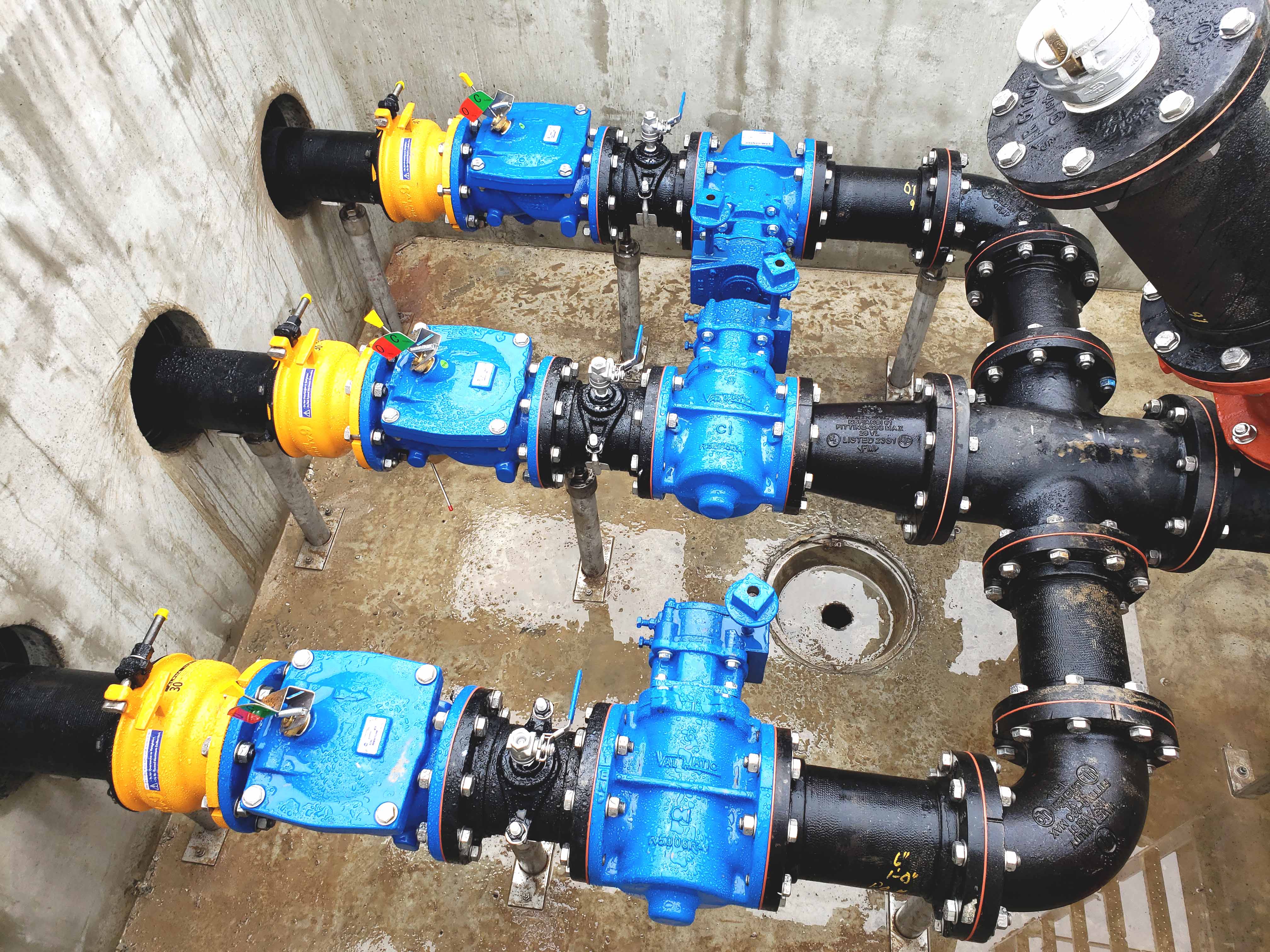
Image credit: romtecutilities.com
Retrofitting an existing pump station can be a fantastic method to protect infrastructure and replace parts which are no longer in use.
Begin with the Structures No One Will Want to Replace
Wet wells are usually the most costly and disruptive element to replace because they are constructed underground and attached to existing pipes and are essential for wastewater collection.
Retaining a concrete construction that is functional can reduce the excavation and construction.
However, deterioration around the access hatch can make the process. Romtec Utilities says that wet well hatches are usually replaced as part of retrofits. Instead of attaching a brand new hatch to deteriorated concrete, replacing the entire top slab may make a more robust solution. This will allow for greater access to the structure, and extend its use, without the need to replace the entire structure as well.
A new pump improves the engine
Take a look at a neighborhood that has experienced significant growth since the installation of its lift station. It could be that the pumping system is no longer capable of handling the increased wastewater flow.
A pumping station upgrade could involve higher-horsepower pumps, but equipment selection cannot happen independently of the surrounding system.
Engineers must also think about the hydraulic needs of the system. This is a consideration for flow as well as the total dynamic pressure. A larger pump without evaluating the situation could create more problems than it resolves. The ability to plan future capacity prior to initial design makes future expansion significantly easier.
Make sure that the wastewater is moving during construction.
Retrofitting a wastewater pumping station has its own unique challenges, that isn’t encountered by other construction projects. The station might need to be operational during construction.
Contractors are still working, and the wastewater will continue to flow. According to the study it is possible that a temporary bypass pumping system could be needed to keep service running while the existing equipment is taken down or new parts are installed.
Romtec Utilities took on this kind of challenge at the Federal Law Enforcement Training Center in Brunswick, Georgia.
The project involved the replacement of two older wastewater lift stations in the meantime, and maintaining the operation at the facility. The project was able to accommodate existing station footprints as operating requirements using customized engineering on site and modular replacement systems. The example illustrates why construction sequencing deserves attention before the construction process starts.
When replacing becomes the best alternative
Not every station is suited to be renovated. Sewer lift stations might need to be rebuilt if they have a severely damaged or insufficiently functioning wet well. structural capacity.
The choice should take into account structural integrity, equipment compatibility access to construction along with service continuity as well as long-term requirements for operation. Romtec Utilities begins retrofits and replacements by identifying parts that will remain as well as those that need to be replaced.
The company will then create custom-designed engineering plans, budget estimates, and preliminaries of designs. Prefabricated components are also able to help to organize installation and decrease some construction-related requirements on site.
The Project isn’t Complete until the Pumps Start
Modern lift stations should work as a whole. Prior to returning the lift station back to service, testing its startup and commissioning are a way to make sure that the pumps and controls and other equipment are performing according to established specifications.
Manuals for operation and maintenance, as well as the training of operators are crucial. Maintenance staff should be acquainted with the latest equipment as well as operating procedures, in addition to the manuals before they assume responsibility for the station.
Retrofitting infrastructure successfully preserves its value while fixing the issues that caused modernization.
For municipal facilities and facility owners this means looking beyond the immediate repair. The most effective project is one that integrates the new equipment into existing structures, maintains essential services throughout construction and also prepares the pumping system for years of continuous operation.