
The performance of a lift station can be defined long before it’s an concrete structure complete with valves, pumps and piping. The final design of a lift station is determined by many factors such as flows calculations, elevations on the site, system pressures as well as wastewater characteristics, peak times, accessibility to maintenance, control systems, and future capacities.
When you are comparing lift station design firms for a project it’s not about who will specify the pumps. Who can translate the conditions of the site into a practical, complete system that is simple to install, maintain, and run?
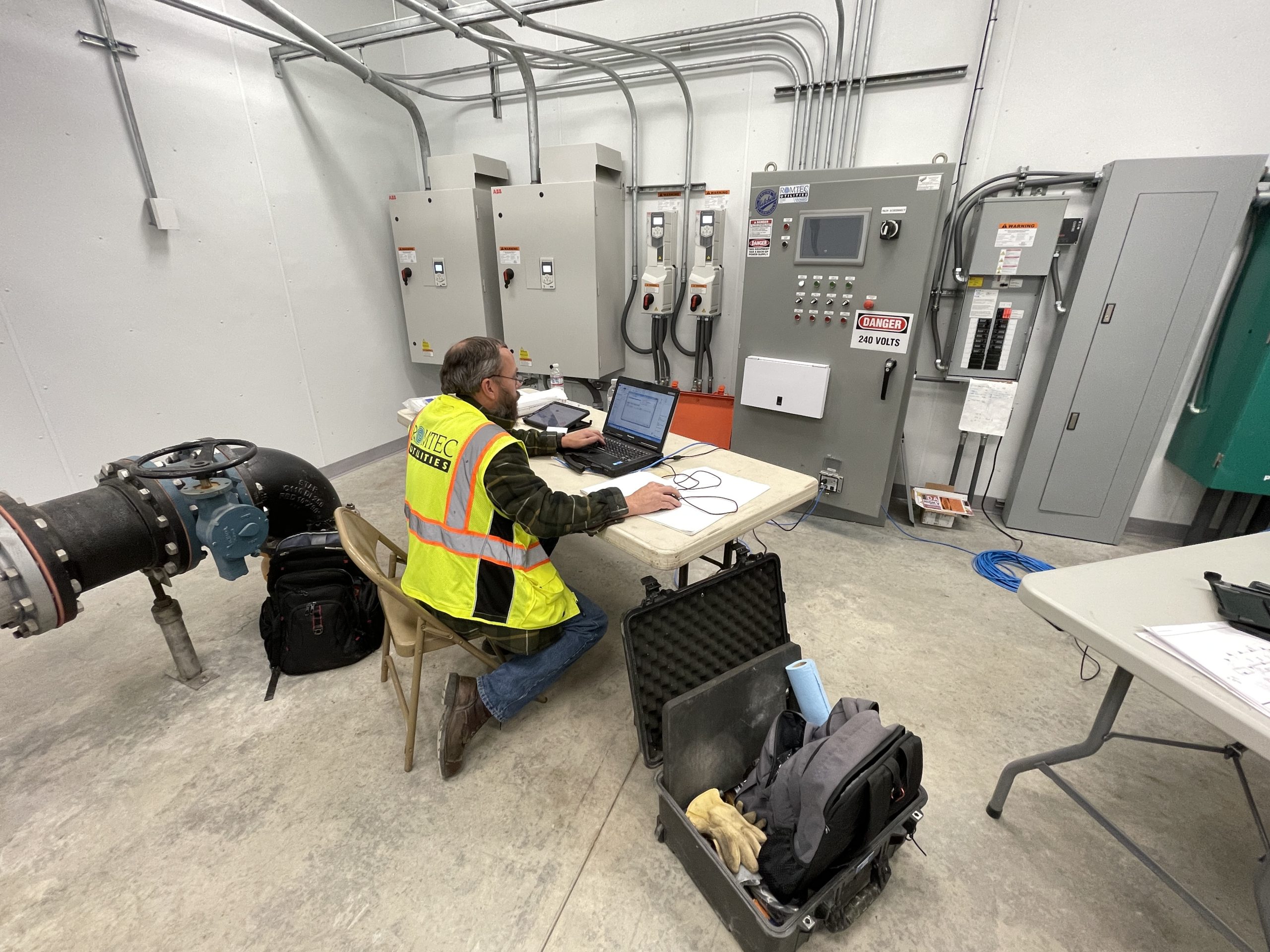
Image credit: romtecutilities.com
The Limits of Gravity Are a Reality
Gravity is usually the simplest method to move wastewater but terrain and development patterns don’t always cooperate. The new residential, commercial and industrial sites are often too high or far away from the gravity sewer infrastructure.
The lift station is a mechanism which transports the wastewater the next point of collection. But designing one requires an understanding of the normal operation as well as more difficult situations like high inflow and pump maintenance, equipment failure, or any future growth in demand.
The companies that are deemed to be among the top in the industry of wastewater should take into consideration the whole issue of conveyance instead of treating a station as if it were an isolated piece of equipment.
The current infrastructure makes the puzzle Harder
The problem is not the construction of new structures. In order to maintain the necessary wastewater infrastructure municipalities are often required to replace or upgrade aging stations.
Forcemains, wetwells and other existing components electrical services and controls, site boundary, and downstream infrastructure may limit the design. Engineers must determine what can be left in place, what will require replacement, and how new components are to be incorporated into the current system.
Romtec Utilities works across municipal, private, commercial industrial, retrofit and replacement applications. This allows pumping systems to be developed according to the particular operational and ownership requirements of each project.
Stormwater has different rules
The best stromwater system designers using the supplied search terminology must solve a different hydraulic problem. Stormwater systems could experience significant fluctuations in volume due to the amount of rainfall, drainage capacity and discharge rates that are allowed.
For example, a station which serves as a detention zone might require a temporary hold of the runoff for a while before pumping it out at a controlled rate. Engineers need to consider the flow rate, conditions of the head, the conditions of the environment, the flood-management objectives, as well as the specifics of the receiving drainage system.
Prefabrication allows you to move the work off-site
The difficulty of field assembly could create scheduling conflicts, errors in installation, changes to orders and delays. Romtec Utilities performs significant prefabrication of equipment prior to installation on the project location.
In a controlled atmosphere performing more assembly work and quality-control may reduce the amount of construction on the field. In accordance with the plan approach explained by Romtec Utilities, some projects that would normally require weeks of work can be reduced to days, according to the circumstances of the project.
Commissioning is a Part of Engineering Success
A station isn’t a guarantee simply because each component has been installed. Romtec Utilities provides installation advisors and monitors the construction process with start-up and control-panel inspections as well as pump operation testing, and training for personnel. The documentation also provides information that the operators may refer to when are maintaining the system, or evaluating expansion plans.
This final stage is important to owners who are looking for the best lift station designs. The result of good engineering should be more than the creation of a few acceptable drawings. It should leave the proprietor with a system that is functional and a skilled staff, as well as useful documentation, and equipment designed to meet the demands the station will encounter during normal operation.